

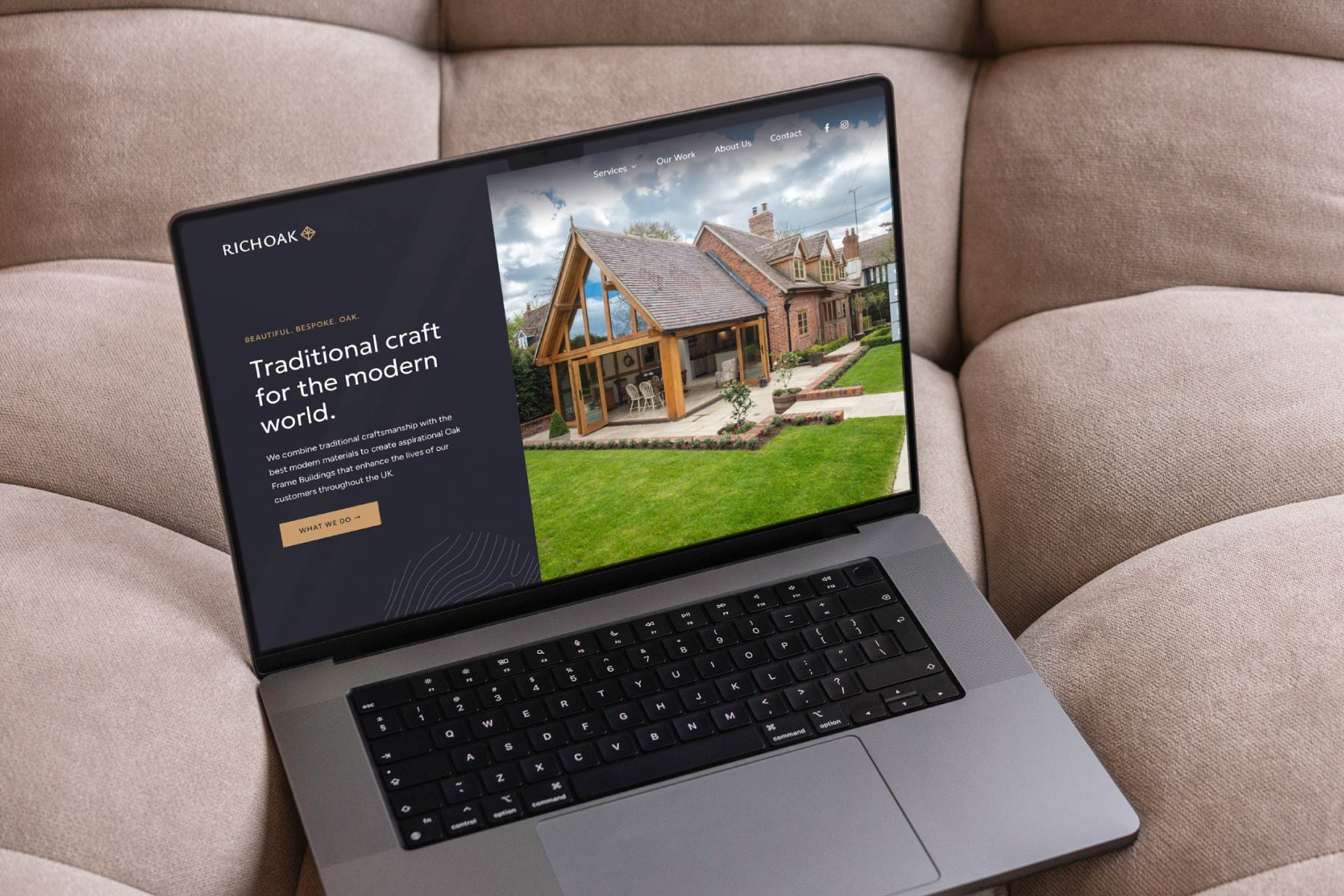
When businesses invest in a new website, they often focus on functionality, user experience, and SEO. But there’s another crucial factor to consider, branding.
A website is your ever-present digital storefront, and if your brand identity isn’t aligned with your goals or audience, you could be missing an opportunity to make a lasting impression. Worse still, investing in a new website without addressing your brand could mean wasted time and money if your outdated identity weakens its impact.
If you realise the need for a brand update after launching your site, you will likely have to redesign it to maintain consistency. This adds unnecessary costs and effort, making it far more efficient to address branding at the start of the website project. If you really think about it, it just makes sense.
Let’s explore why branding should be an essential part of your website redesign strategy.
Why consider a brand update or refresh?
A brand isn’t just a logo. It’s the overall perception of your business. If your branding no longer reflects who you are or who you want to attract, it may be time for a refresh.
Here are three key reasons to update your brand alongside your website:
- Your brand may be outdated – Design trends evolve, and so do businesses. If your branding feels outdated or inconsistent, a refresh can modernise your identity and keep you competitive.
- Your goals and audience have changed – Businesses grow, markets shift, and customer expectations evolve. Your brand should reflect your current vision and speak directly to your ideal audience.
- Consistency drives revenue – A strong, cohesive brand builds trust and recognition. Research shows that consistent branding can increase revenue by 10-20%.

Signs your brand needs an update
Before diving into a website redesign, take a moment to assess whether your branding is still effective. Here are some common signs that it might be time for an update:
- Your logo or visual identity feels outdated or no longer reflects your business.
- Your messaging and tone of voice are inconsistent across different platforms.
- Your audience has evolved, and your brand no longer speaks to them effectively.
- Your competitors have stronger, more engaging branding that makes yours feel weak or forgettable in comparison.
- You’re struggling to maintain brand consistency across different marketing channels and brand collateral.
If any of these sound familiar, it’s worth considering a brand refresh alongside your website redesign.
The connection between branding and web design
A website and a brand work together to create a strong first impression. Your website is often the first place potential customers interact with your business, and if the branding is outdated or inconsistent, it can undermine credibility.
If your new website is polished and well-designed but doesn’t align with your brand identity, it can create confusion, dilute trust, and fail to make the impact you intended.
A brand refresh can ensure your new website:
- Looks professional and polished
- Conveys the right message to your audience
- Stands out from competitors in a crowded market
- Maximises your investment by creating a cohesive and effective digital presence
The cost of updating later
If you launch your new website and later realise your branding is outdated or inconsistent, you’ll likely need to make significant adjustments. This could involve restyling the site, adjusting colours, typography, and imagery, or even a full redesign to align with your refreshed brand.
Making these changes after launch can be costly and time-consuming, which is why it’s best to address branding before your new website goes live.
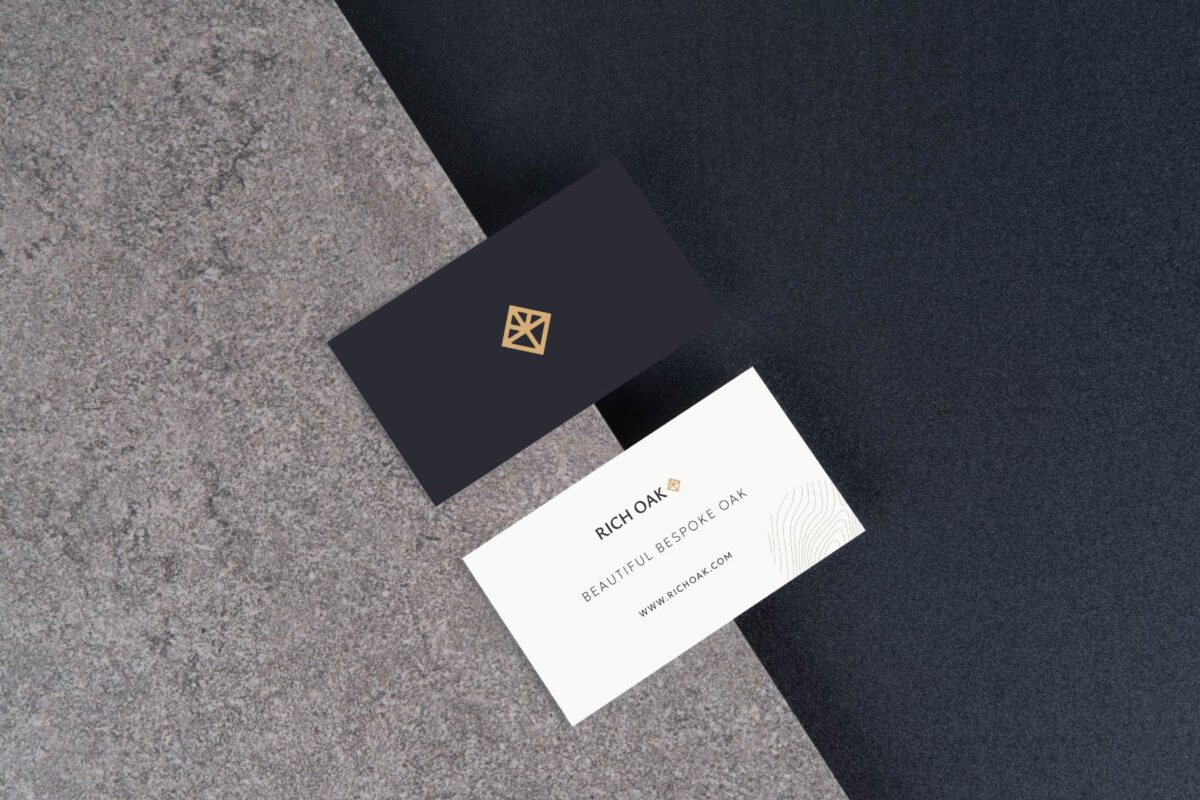
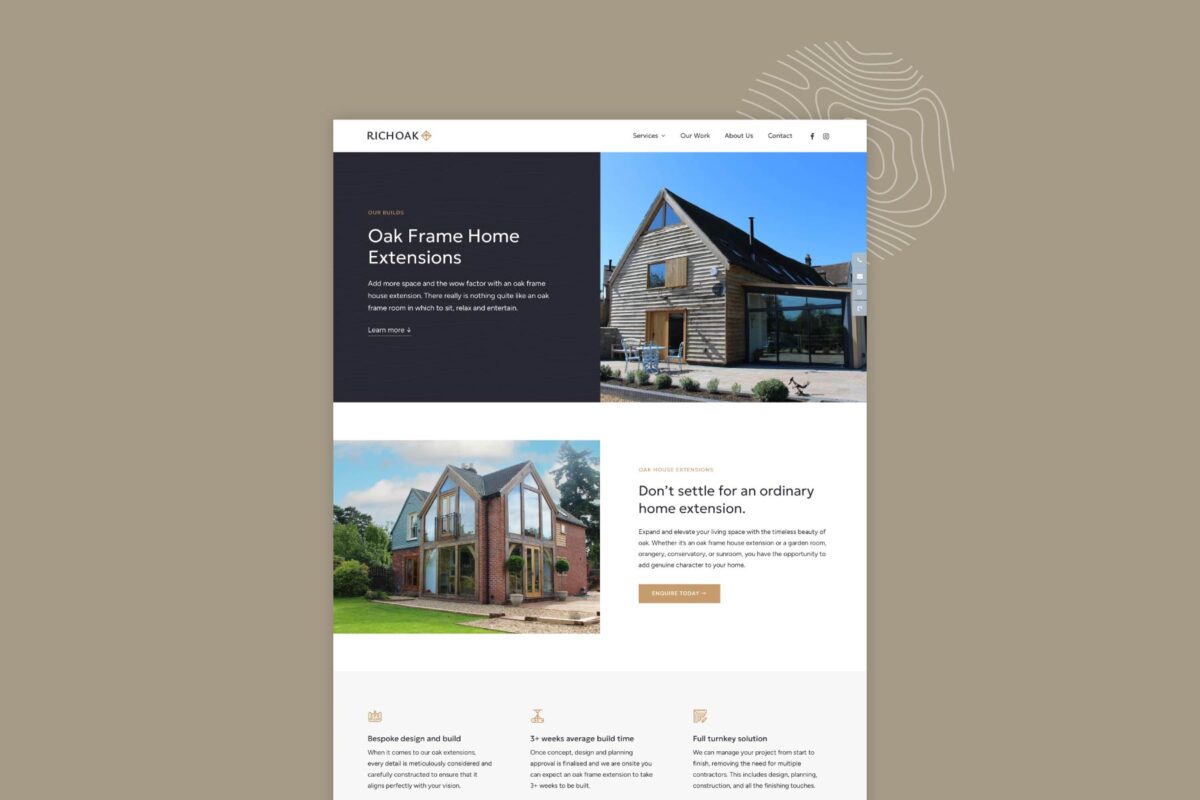
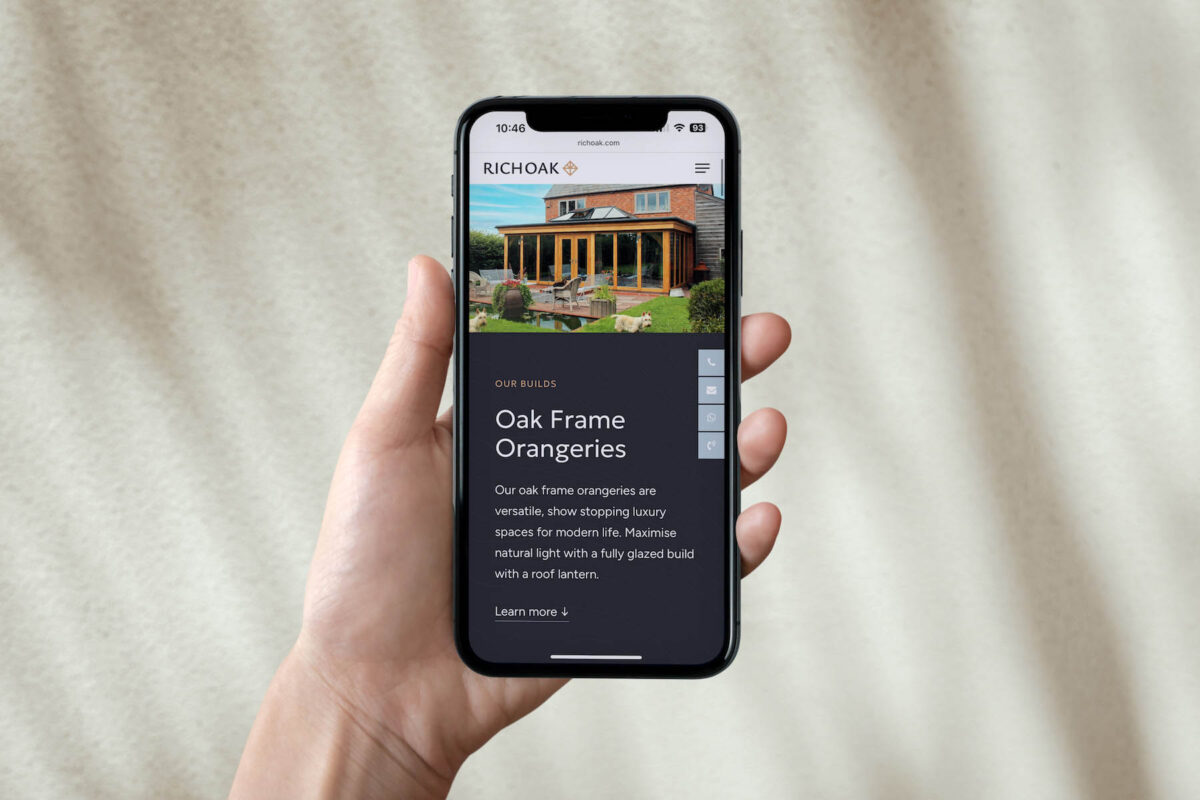
Case Study: RichOak’s Brand Transformation
RichOak approached us for a new website, but during our initial discussions, it became clear that their brand identity no longer aligned with their target audience. Without addressing this issue, their new website wouldn’t have had the impact they were hoping for. We worked with them to refresh their brand, ensuring it reflected their values, goals, and market positioning.
The steps to a stronger brand
Here’s how we approached RichOak’s brand update to create a cohesive, impactful identity:
1. Designing a new visual identity
We developed a refined brand identity that resonated with RichOak’s high-end audience, addressing the shortcomings of their original brand, which failed to reflect this upscale positioning. The new visuals and messaging now align with their business objectives, effectively communicating their premium offerings.”
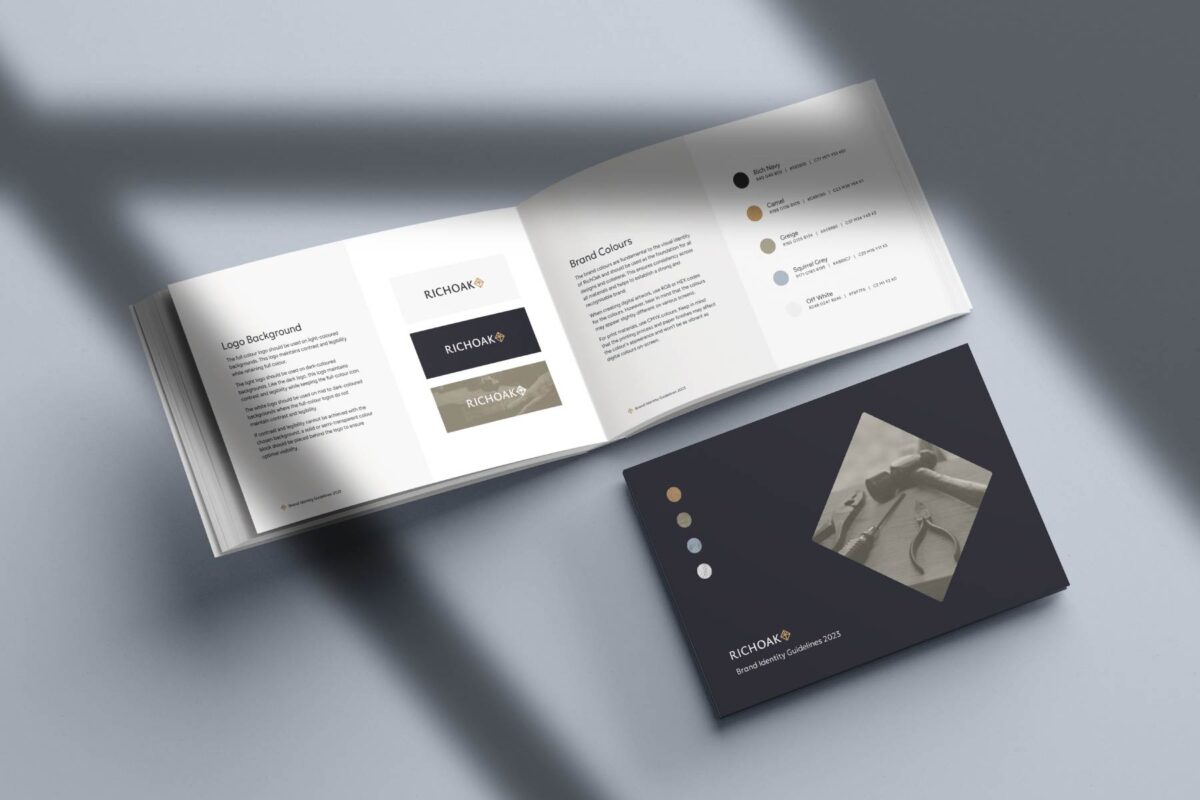
2. Establishing brand guidelines
A brand refresh isn’t just about a new logo, it’s about consistency. We created:
- A cohesive visual identity
- Brand guidelines to maintain consistency across all touchpoints
- Key brand assets to strengthen recognition
3. Delivering an on-brand website
With the refreshed branding in place, we designed and built a website that truly represented RichOak’s ethos, ensuring every element, from typography to colour palette, reflected their updated identity.
Is it time for a brand refresh?
If you’re planning a new website, it’s the perfect time to evaluate whether your branding still aligns with your business, your audience, and your long-term goals. Your brand shapes how customers perceive your business, and if it no longer reflects your identity or market position, your new website may struggle to deliver the results you expect.
Investing in a great website with an outdated brand is a missed opportunity — it can confuse potential customers, weaken your messaging, and even reduce the effectiveness of your marketing efforts. In the worst case, it could mean wasting time and resources on a website that needs reworking sooner than anticipated.
A strong, consistent brand enhances credibility, strengthens customer connections, and ultimately supports business growth by ensuring every touchpoint works together to create a compelling and trusting presence.

Want to breathe new life into your business?
Let’s talk about how we can revitalise your brand and website together, creating a cohesive identity that strengthens your market presence, engages your audience, and sets your business up for long-term success.